Good Clinical Laboratory Practice

GCLP TRAINING COURSE INFORMATION

Develop the knowledge to support reliable sample analysis, accurate results and effective quality systems in laboratories working on clinical trials.

Created by experienced clinical research professionals, this online Good Clinical Laboratory Practice (GCLP) training course explains how GCLP principles apply to laboratory activities, from personnel and equipment to sample handling, documentation and data integrity.

The course is suitable for individual professionals and organisations providing consistent GCLP training across laboratory, clinical research and quality assurance teams.

Current Status

Not Enrolled

Price

£159.00

Get Started


KEY FEATURES OF OUR ONLINE GCLP TRAINING COURSE:

  • Fully online and available on demand
  • Study at a time and pace that suits you
  • Developed by experts with more than 35 years of clinical research experience
  • Covers laboratory quality systems, sample handling, documentation and data integrity
  • Interactive learning, practical scenarios and knowledge checks
  • Certificate awarded following successful completion
  • Available for individual learners and corporate teams

GCLP Training course

Course Content

Module 1 – Introduction to GCLP
Module 2 – GCLP Requirements
Module 3 – Practical Implications of GCLP

Course Support

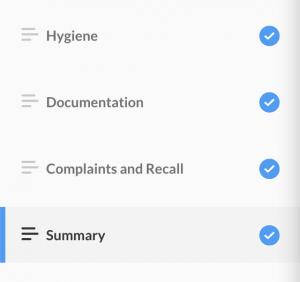
When the course module opens in a new window, ensure all ticks down the sidebar of the page appear blue like the image below before closing the window.

The course won't progress to the next module unless all ticks are blue.

To submit a support request click here (opens in a new tab)

PRACTICAL GCLP TRAINING DEVELOPED BY CLINICAL EXPERTS

Laboratory results contribute to important decisions in clinical research. Clear procedures, appropriate controls and reliable records help ensure that clinical trial samples are analysed consistently and that the resulting data can be trusted.

Good Clinical Laboratory Practice brings together relevant principles of Good Laboratory Practice (GLP) and Good Clinical Practice (GCP) for laboratories analysing clinical trial samples.

Our online GCLP training course explains how these principles translate into everyday laboratory responsibilities. You will explore laboratory organisation, staff responsibilities, facilities, equipment and materials, alongside the procedures needed to manage clinical trial samples.

The course also examines how standard operating procedures, protocols, computer systems and documentation support traceable, reliable results. Quality control, quality assurance, audits, confidentiality and record retention are covered to help you understand how these activities fit into an effective laboratory quality system.

Practical scenarios and knowledge checks help you connect the course content with your own responsibilities, whether you carry out laboratory work, manage a team or oversee laboratory services for a clinical trial.

GCLP TRAINING FOR INDIVIDUALS AND LABORATORY TEAMS

INDIVIDUAL LEARNERS

Training for individuals

Individual professionals gain immediate online access and can complete the GCLP training at a time, location and pace that suits you.

CORPORATE TEAMS

Corporate training

Our multiple licence options help you provide consistent clinical training across your teams while simplifying course administration and training oversight.

Get certified. Stay compliant. Advance your career.

Join thousands of professionals who have completed our training.

WHAT WILL I LEARN FROM THIS GCLP TRAINING COURSE?

Explain the principles of Good Clinical Laboratory Practice (GCLP) and how it integrates Good Laboratory Practice (GLP) and Good Clinical Practice (GCP).

Describe the key requirements for laboratory organisation, personnel, facilities, equipment, materials and clinical trial sample handling.

Apply GCLP requirements for SOPs, protocols, documentation, computer systems, quality control and data integrity.

Apply quality assurance, audit, confidentiality, archiving and data retention principles to support compliant laboratory operations.

FAQs

FREQUENTLY ASKED QUESTIONS ABOUT GCLP TRAINING

What is Good Clinical Laboratory Practice?

Good Clinical Laboratory Practice, or GCLP, provides a framework for laboratories analysing samples from clinical trials.

It combines relevant principles of Good Laboratory Practice and Good Clinical Practice to support the quality, integrity and reliability of laboratory work and its results. It addresses the people, facilities, equipment, procedures and records needed to carry out this work consistently.

Can I complete the GCLP course online?

Yes. This is a fully online, self-paced GCLP training course. You can fit your learning around your working day without attending scheduled classroom sessions.

The flexible format is suitable for individual learners and teams working across different locations.

Can organisations purchase multiple GCLP course licences?

Yes. We offer team licences for organisations that need to train multiple colleagues.

Corporate options support learner enrolment, progress monitoring and centralised training management. Contact us with your approximate number of learners and any specific requirements to receive a tailored quotation.

Will I receive a GCLP training certificate?

Yes. Learners receive a certificate after successfully completing the course. This provides a record of your Good Clinical Laboratory Practice training.

The certificate demonstrates course completion; it does not accredit a laboratory or independently confirm that its operations comply with GCLP.

What makes Integrity Clinical Compliance’s GCLP training different?

Our training is developed by experienced clinical research professionals and connects GCLP principles with practical laboratory activities.

Interactive content, scenarios and knowledge checks help you understand how procedures, records and quality controls contribute to reliable clinical trial results. The course supports practical understanding across both laboratory operations and the oversight of laboratory services.

Who should complete online GCLP training?

This course is suitable for professionals involved in analysing clinical trial samples or managing and overseeing the laboratories that perform this work, including:

  • Laboratory scientists, analysts and technicians
  • Laboratory managers and team leaders
  • Quality assurance and quality control professionals
  • Clinical research associates and monitors
  • Clinical trial project managers
  • Sponsor and CRO personnel
  • Professionals responsible for laboratory documentation and data quality
  • Consultants supporting laboratory quality systems and clinical research

It is relevant to people learning about GCLP for the first time and experienced professionals seeking to refresh or broaden their knowledge.

Do I need previous clinical research experience?

No. The course is suitable for learners with little or no previous clinical research experience, as well as professionals already working in laboratories or clinical trials.

The content introduces the core principles before exploring laboratory requirements and their practical implications.

What is the difference between GCLP, GLP and GCP?

GCP focuses on the ethical and scientific quality of clinical trials involving human participants. GLP addresses the organisation and conduct of non-clinical safety studies.

GCLP draws on relevant principles from both to address laboratory analysis of clinical trial samples, including the quality of analytical work and the integrity of the resulting data.

If your role focuses on non-clinical laboratory studies, explore our Good Laboratory Practice training course. For broader clinical trial responsibilities, see our Good Clinical Practice E6(R3) course.

Does the course cover sample handling and data integrity?

Yes. The course covers clinical trial sample handling alongside documentation, computer systems, quality control and data integrity.

It also addresses confidentiality, archiving and record retention, helping you understand how laboratory processes and records support the traceability and reliability of results.

If this course isn’t right for you, take a look at our other online clinical courses.